
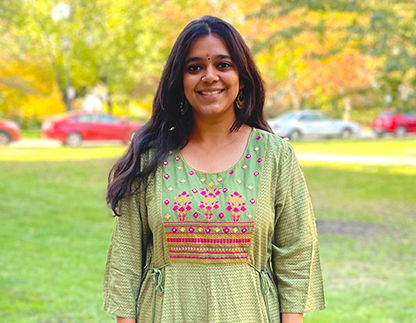
Anisha Sharma
PhD Candidate in Materials Science and Engineering
Meet some of the students, postdoctoral scholars, and other members of our TGS community.
PhD Candidate in Materials Science and Engineering
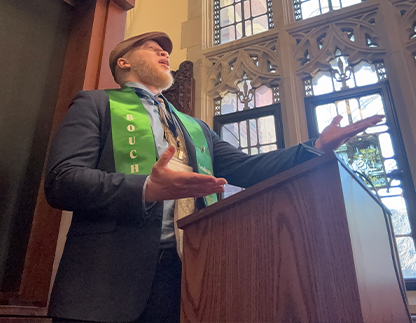
PhD Candidate in Learning Sciences
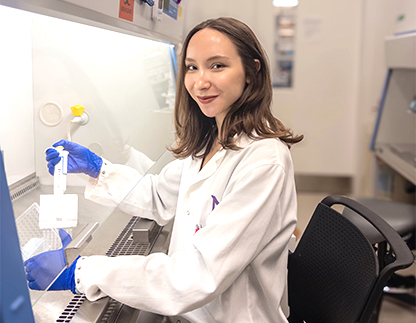
PhD Candidate in the Driskill Graduate Program in Life Sciences
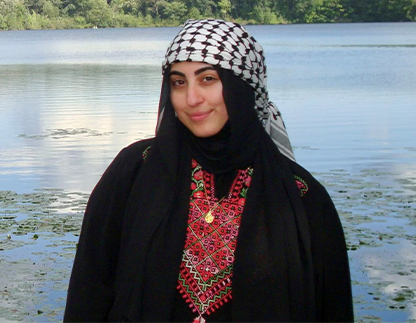
PhD Candidate in Media, Technology & Society

PhD Candidate in the Driskill Graduate Program and Department of Biochemistry and Molecular Genetics
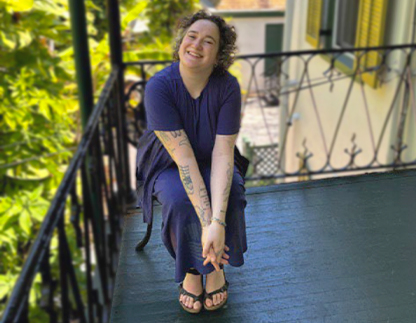
Postdoctoral Teaching Fellow at the Cook Family Writing Program
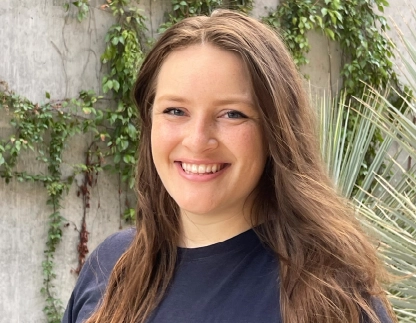
PhD Candidate in Biomedical Engineering
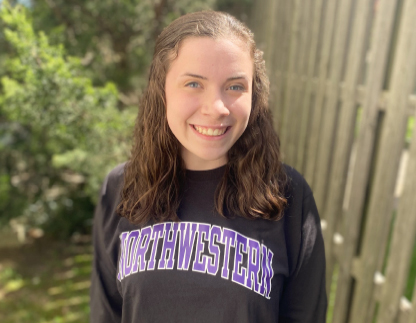
PhD Candidate in Biomedical Engineering
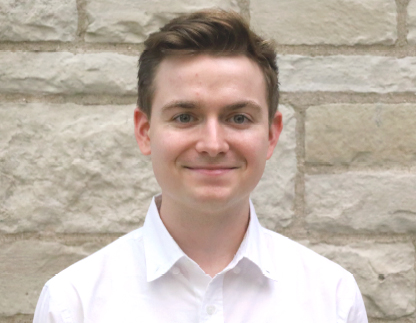
PhD Candidate in the Materials Science and Engineering Department
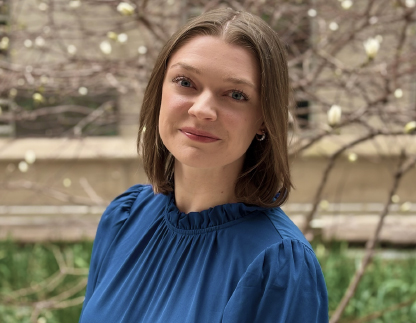
PhD Candidate in the Health Sciences Integrated Program
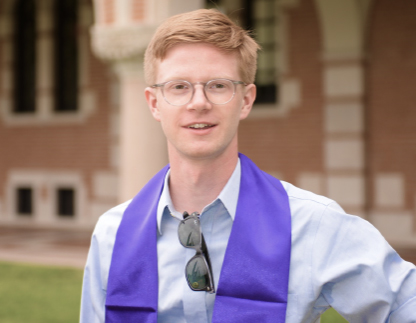
PhD Candidate in Chemical and Biological Engineering
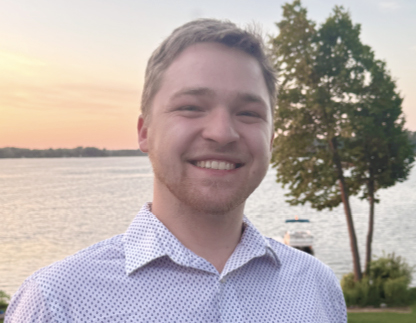
PhD Student in the Department of Chemistry
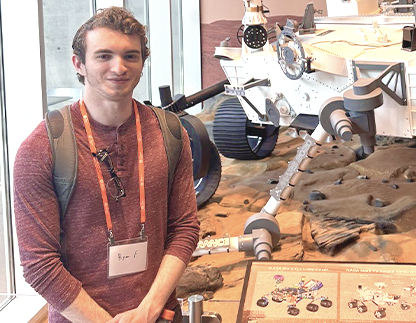
PhD Student in Computer Engineering
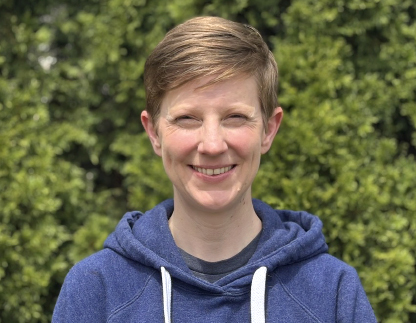
Postdoctoral Fellow in the Shirley Ryan Ability Lab
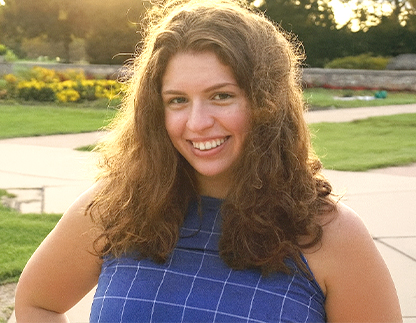
PhD Candidate in the Driskill Graduate Program and Department of Cell & Developmental Biology
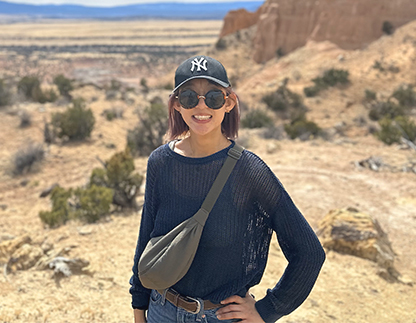
PhD Candidate in the Department of Political Science
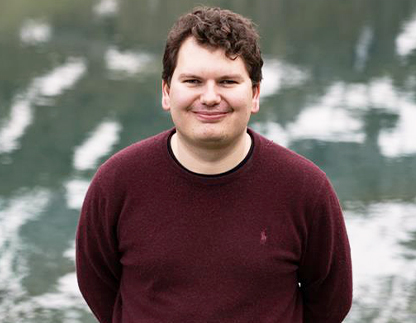
PhD Candidate in Materials Science and Engineering
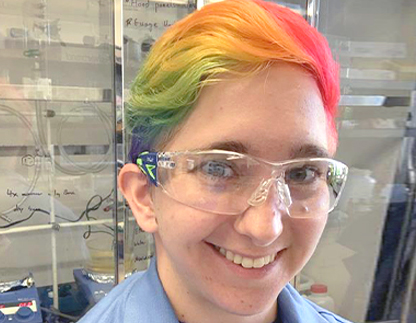
PhD Candidate in the Department of Chemistry
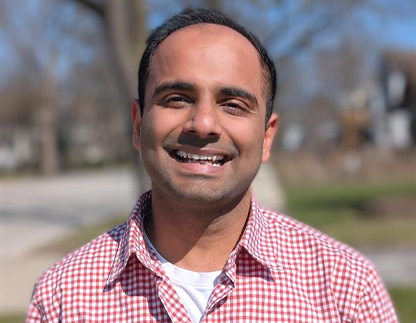
PhD Candidate in the Department of Mechanical Engineering
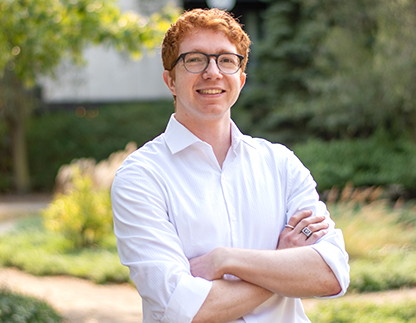
PhD Candidate in Materials Science and Engineering and Master of Public Health Student
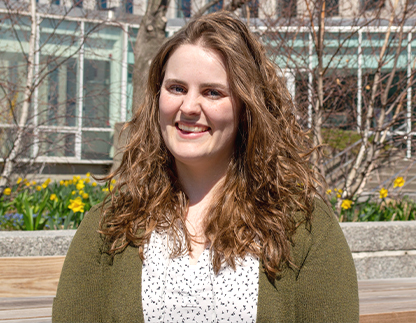
PhD Candidate in the Department of Chemistry
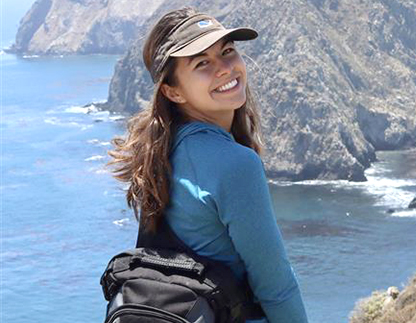
PhD Candidate in the Department of Plant Biology and Conservation
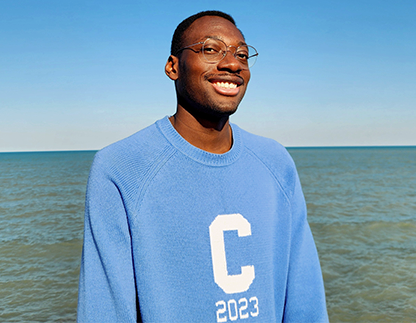
PhD Candidate in Electrical Engineering
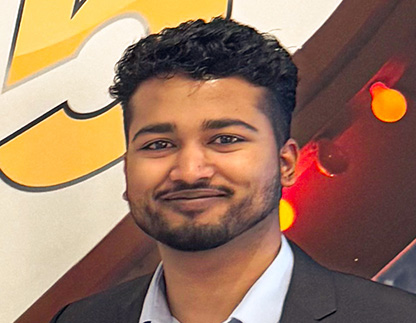
PhD Candidate in Materials Science and Engineering
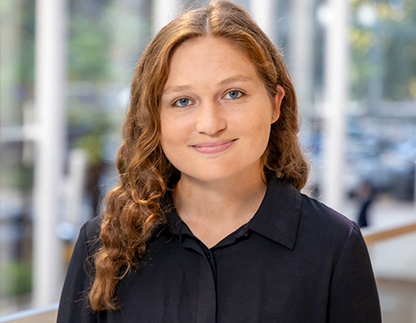
PhD Student in the Driskill Graduate Program in Life Sciences
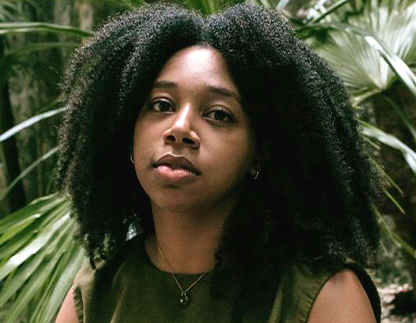
PhD Student in the Department of Art History
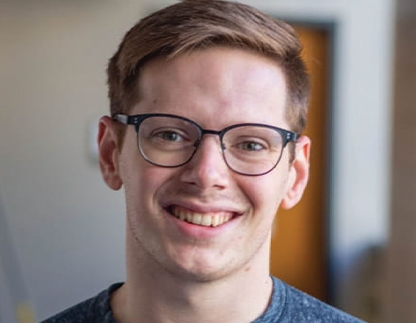
PhD Candidate in the Department of Chemistry

PhD Candidate in Learning Sciences
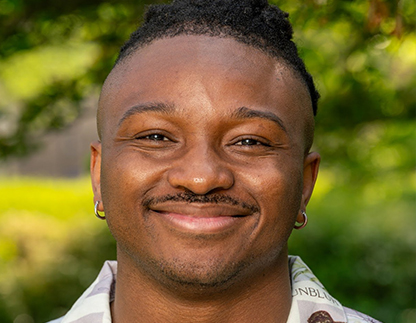
PhD Candidate in Social Psychology and Master’s Student in Data Science & Statistics
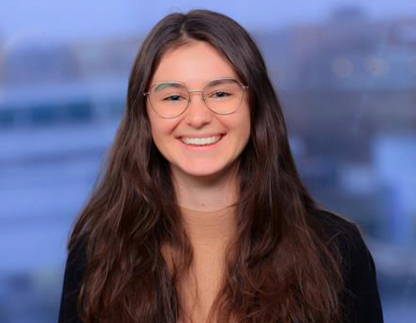
PhD Candidate in Chemistry
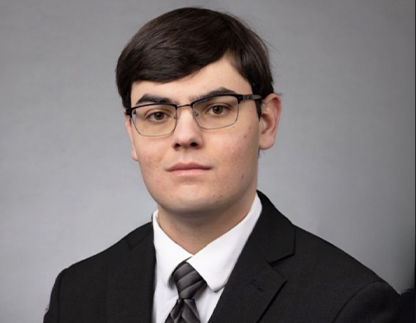
PhD Candidate in Chemical and Biological Engineering
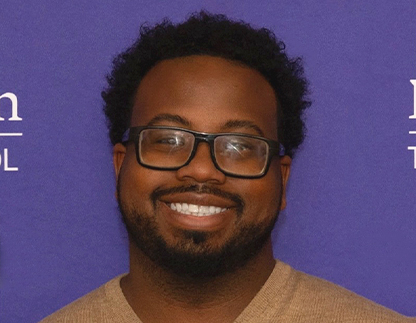
PhD Candidate in Chemical and Biological Engineering
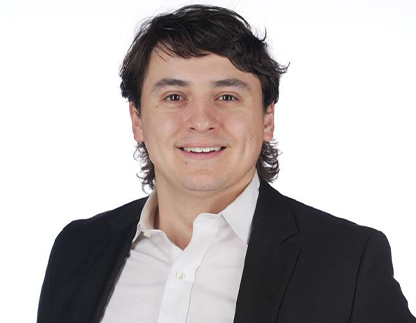
PhD Candidate in Materials Science and Engineering
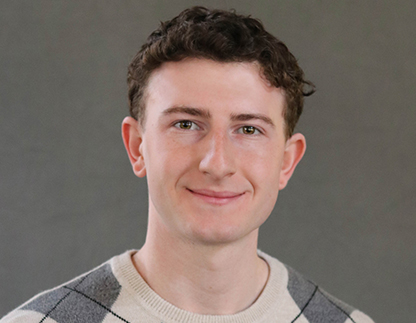
PhD Candidate in the Department of Civil and Environmental Engineering
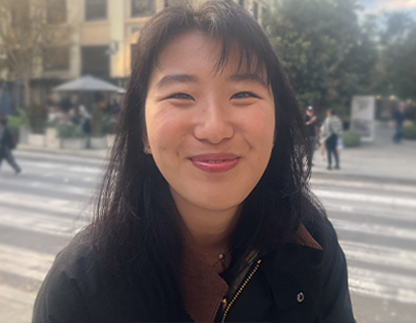
PhD Candidate in the Department of Chemistry
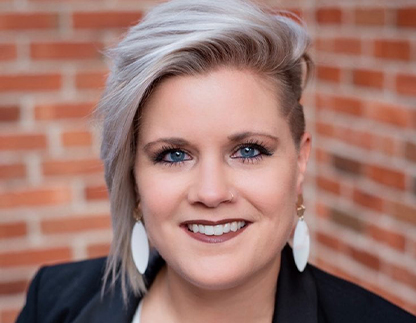
PhD Candidate in Music Education
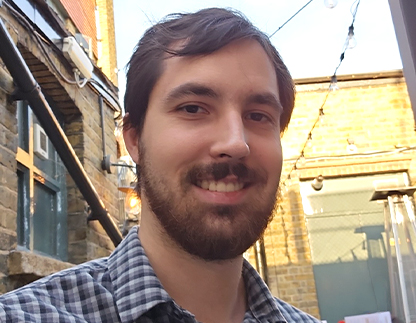
PhD Candidate in Economics
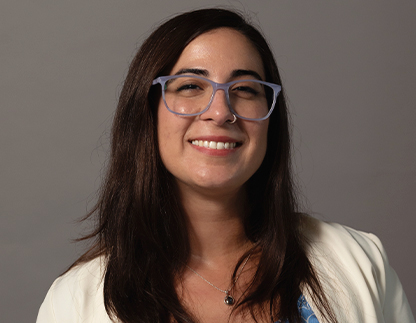
Postdoctoral Scholar in Dermatology
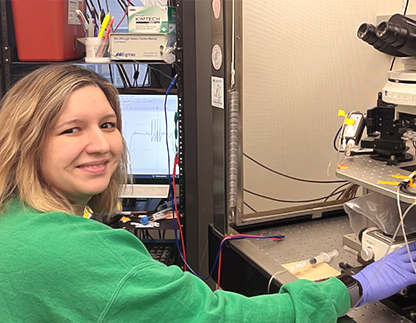
Postdoctoral Scholar in Psychiatry & Behavioral Sciences
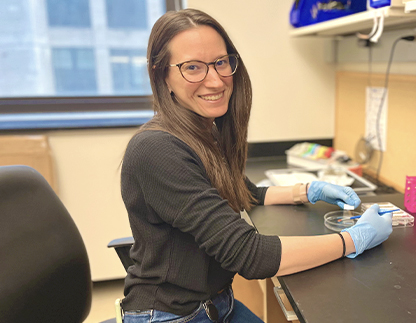
Postdoctoral Scholar in Psychiatry & Behavioral Sciences
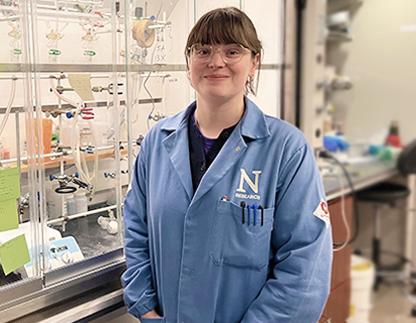
Postdoctoral Scholar in Chemistry
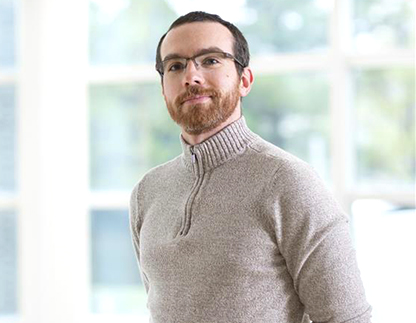
Postdoctoral Scholar in Biomedical Engineering
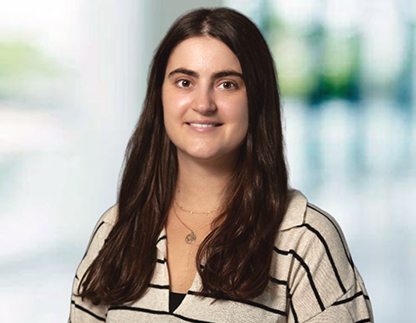
Postdoctoral Scholar in the Radiation Oncology Department
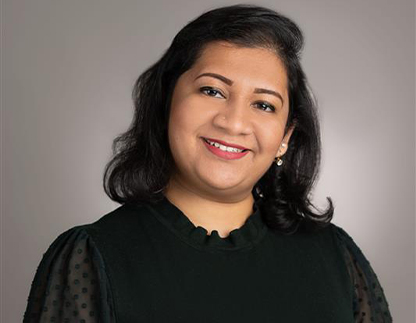
Postdoctoral Scholar in the Department of Surgery
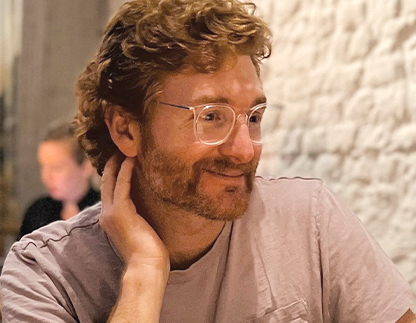
Postdoctoral Fellow at the Center for Genetic Medicine
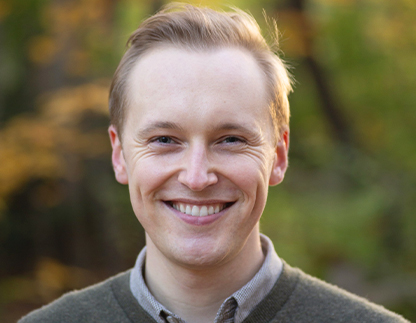
PhD Candidate in Sociology
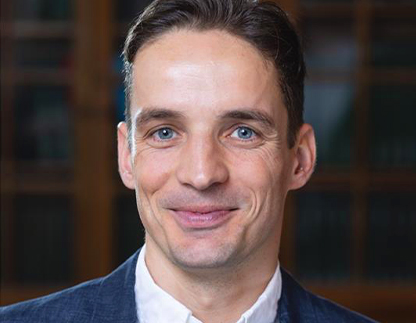
PhD Candidate in Political Science
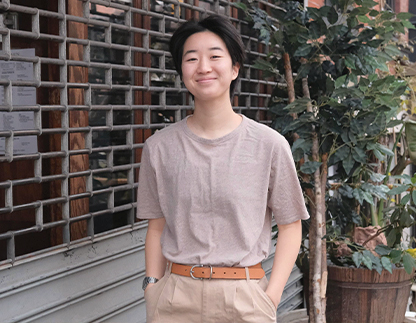
PhD Candidate in English
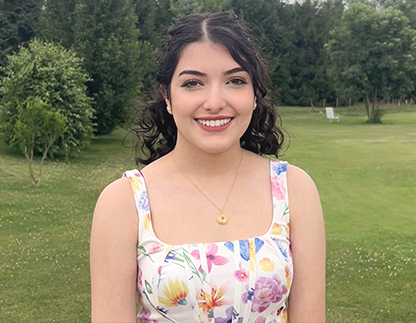
PhD Candidate in Computer Science
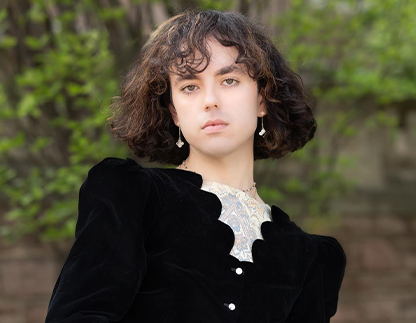
PhD Student in English
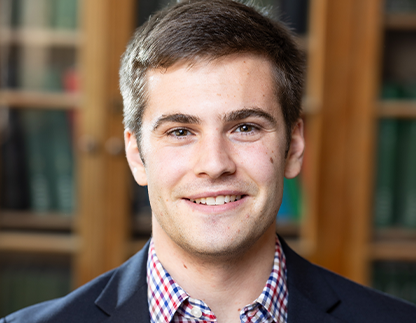
PhD Candidate in Political Science
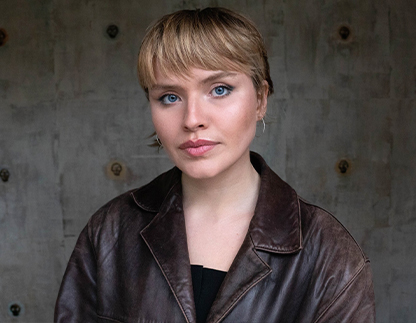
MFA Candidate in Documentary Media
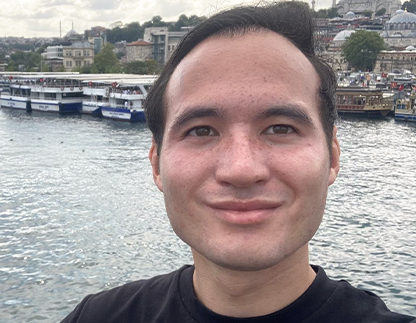
PhD Candidate in the Department of Political Science
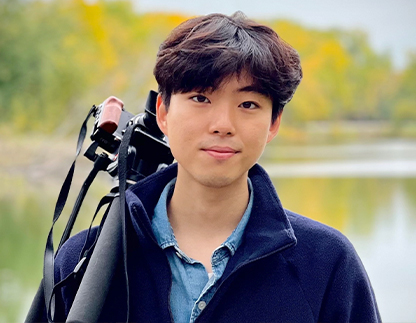
MFA Candidate in Documentary Media
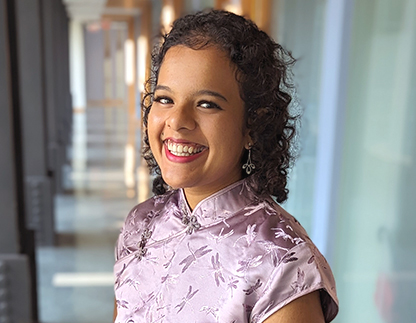
PhD Candidate in the Department of Chemistry
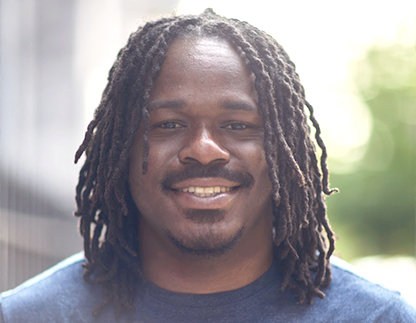
MFA Candidate in Documentary Media
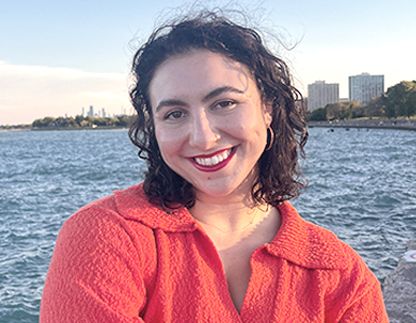
PhD Candidate in the Department of Political Science
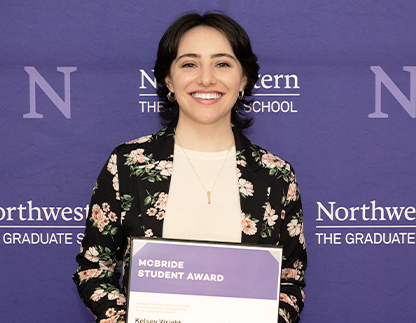
PhD Candidate in Interdepartmental Neuroscience (NUIN)
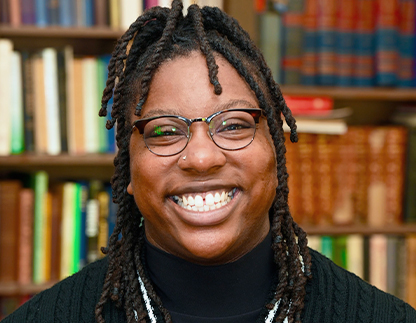
PhD Candidate in the Department of Political Science
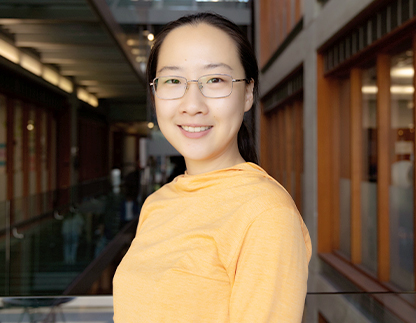
PhD Candidate in the Department of Mechanical Engineering
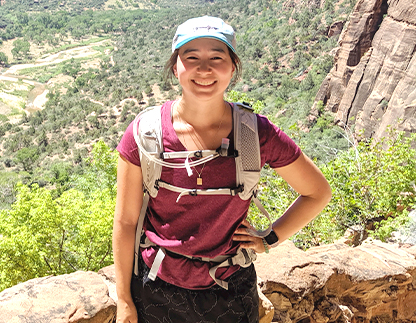
PhD Candidate in the Department of Psychology
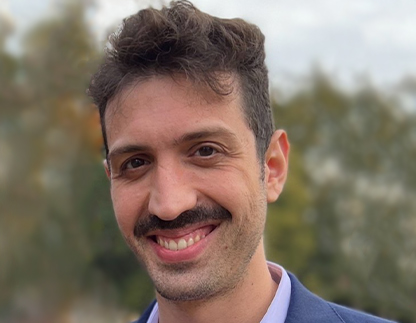
Postdoctoral Fellow in the Center for Enlightened Disagreement in the Kellogg School of Management
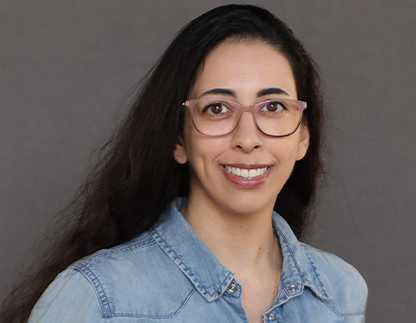
PhD Student in the Department of Materials Science and Engineering
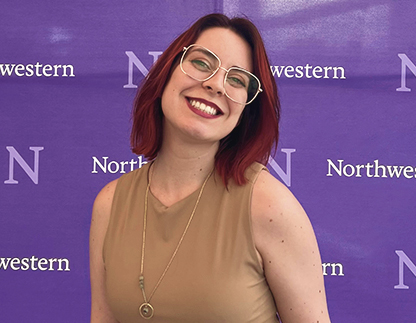
PhD Candidate in the Department of Anthropology
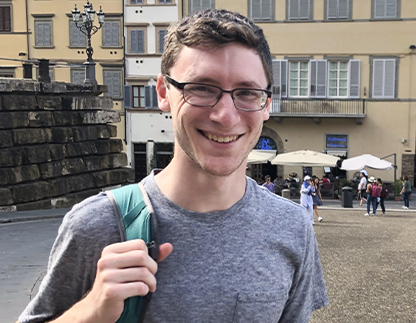
PhD Candidate in the Department of Art History
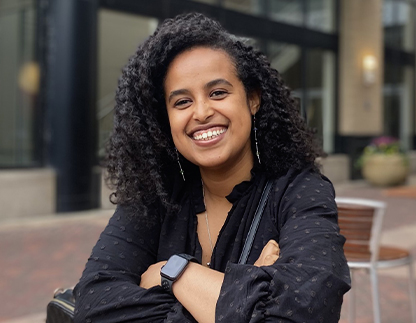
PhD Candidate in the Department of Materials Science and Engineering
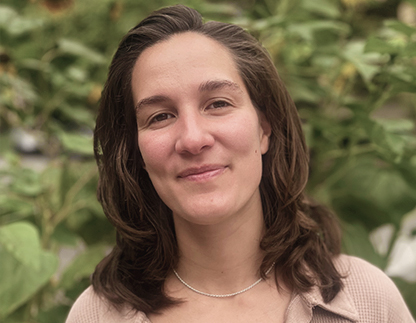
PhD Candidate in the Department of Sociology
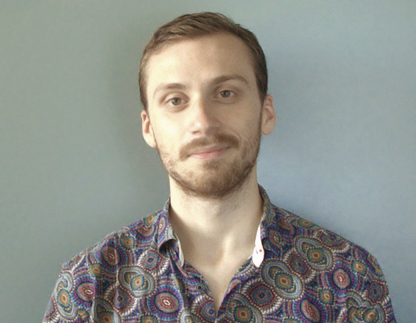
PhD Candidate in the Department of Linguistics
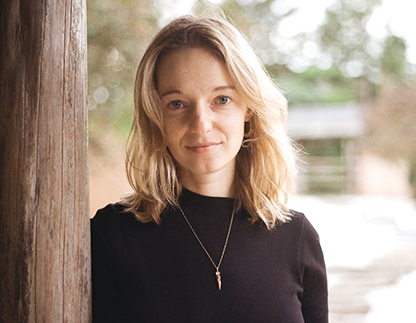
MFA in Writing for the Screen and Stage
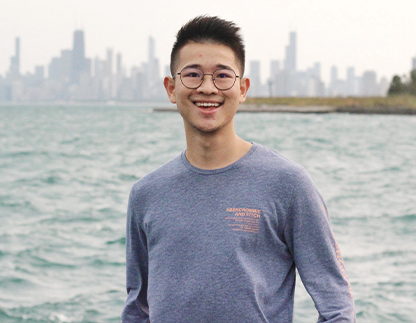
PhD Candidate in the Department of Chemical and Biological Engineering
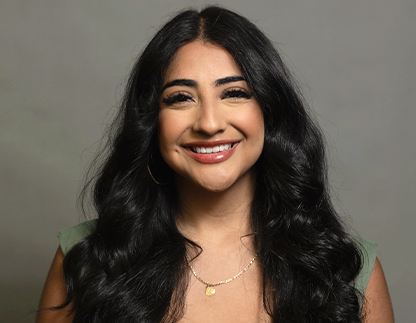
PhD Candidate in the Driskill Graduate Program in Hematology and Oncology
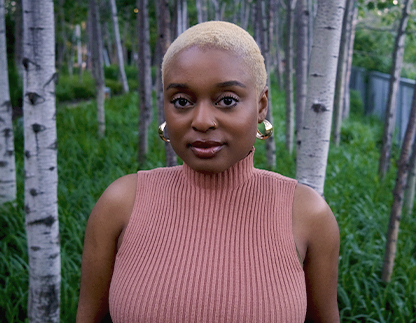
Postdoctoral Scholar in the Department of Black Studies
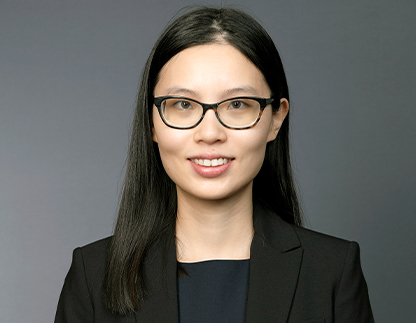
PhD Candidate in the Department of Economics
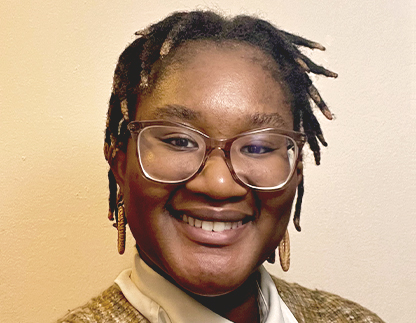
PhD Candidate in the Driskill Graduate Program in Life Sciences
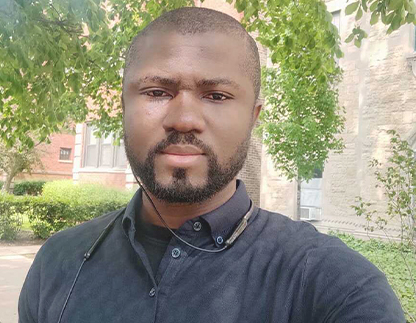
PhD Candidate in the Department of Computer Science
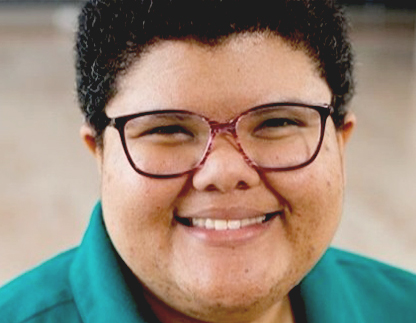
Doctor of Philosophy in Black Studies
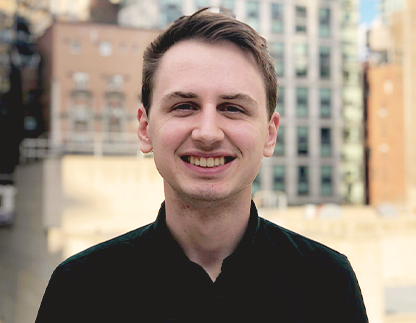
PhD Candidate in the Department of History
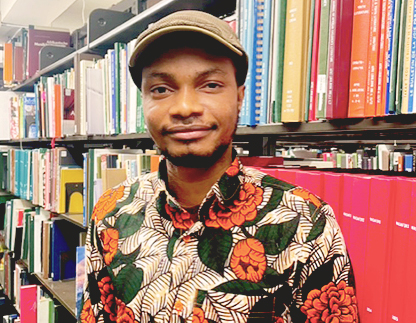
PhD Student in the Department of Anthropology
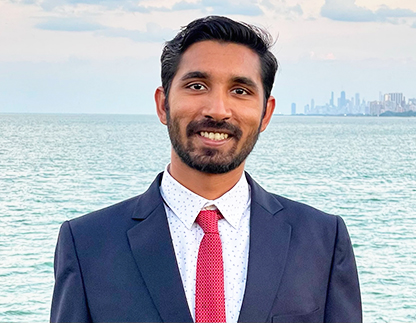
PhD Candidate in the Department of Civil and Environmental Engineering
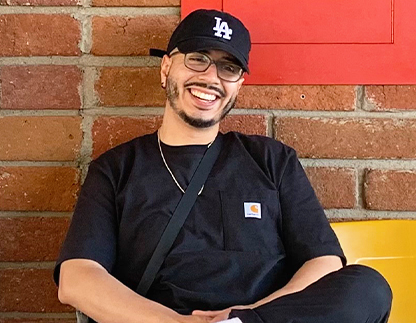
PhD Candidate in the Department of Black Studies
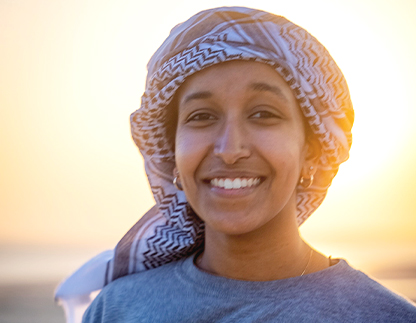
PhD Candidate in the Department of Political Science
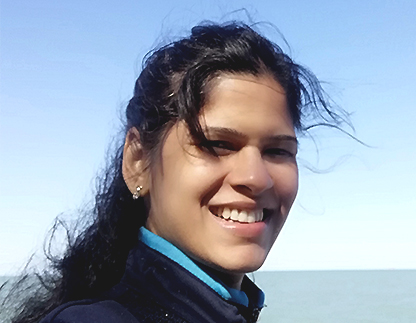
Postdoctoral Scholar in the Institute of Public Health and Medicine
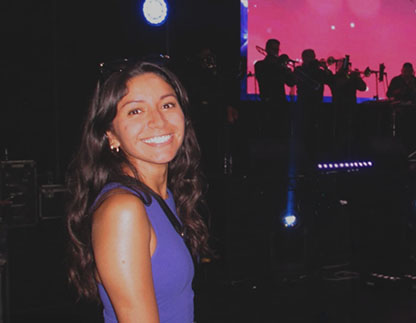
PhD Candidate in the Department of Musicology

PhD Candidate in the Department of Psychiatry & Behavioral Sciences
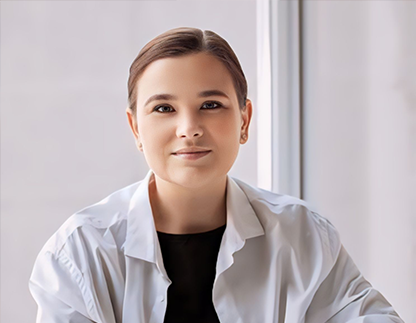
Postdoctoral Scholar in the Department of Microbiology-Immunology
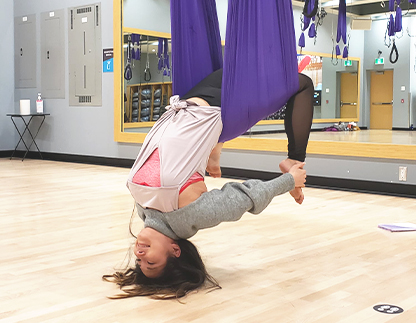
PhD Candidate in the Health Sciences Integrated PhD Program
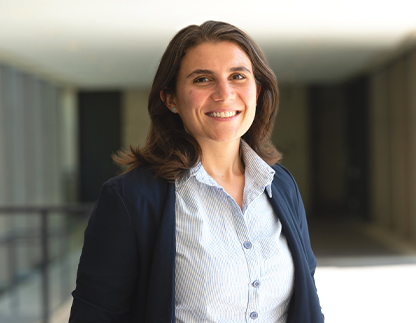
PhD Candidate in the Department of Political Science
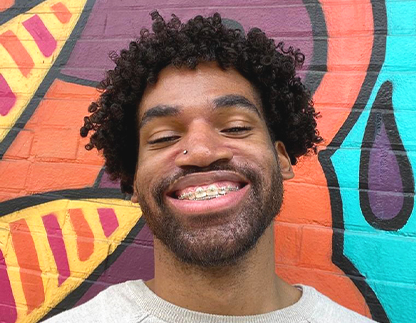
PhD Candidate in the Department of Black Studies
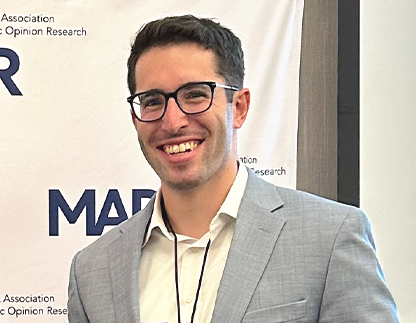
PhD Candidate in the Department of Political Science
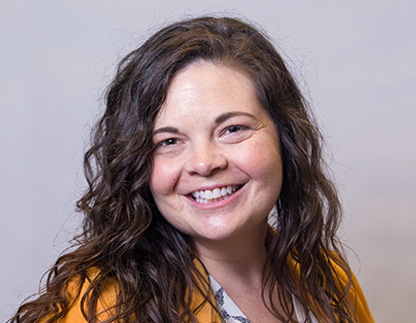
Postdoctoral Scholar in the Department of Chemical & Biological Engineering
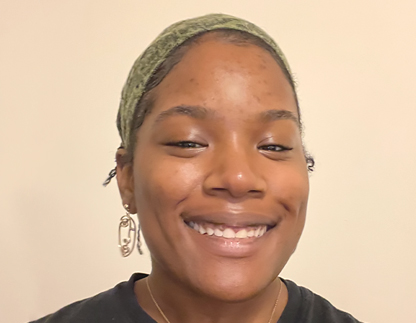
PhD Student in the Department of Black Studies

Postdoctoral Scholar in the Department of Physics and Astronomy
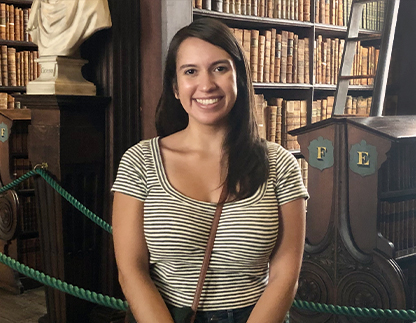
Postdoctoral Scholar in the Department of Physical Therapy and Human Movement Sciences
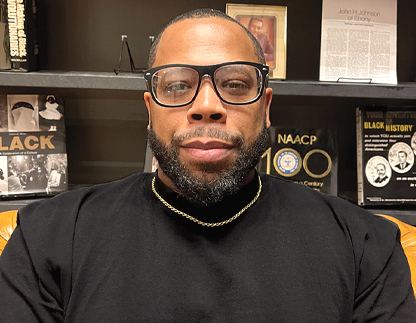
PhD Candidate in Rhetoric, Media, and Publics
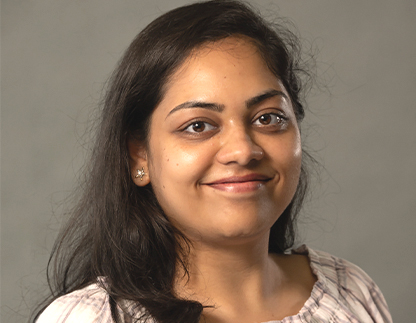
Postdoctoral Fellow in the Department of Molecular Biosciences
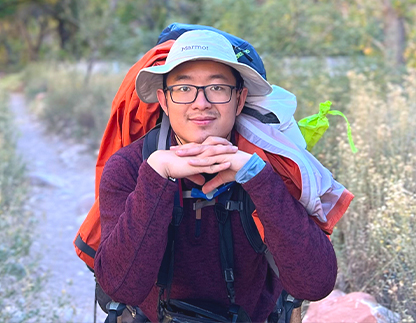
PhD Candidate in the Department of Electrical Engineering
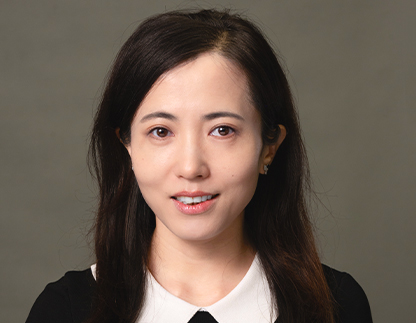
Postdoctoral Fellow in the Division of Allergy and Immunology

Postdoctoral Fellow in the Department of Chemistry
PhD Candidate in the Department of Psychology